Automation EngineerAutomation Engineer
Vow is a food company – a very different one. We create real meat products from animal cells, bringing together cutting edge innovations in science, engineering, culinary and design. We're on a mission to feed billions with food that's good for your taste buds and your planet.
Our Software & Automation team builds the intelligent systems that make this possible - real-time control of factory equipment through our in-house automation platform, Vow Process Control. We're a small, high-performing team that values pragmatic delivery, iterative improvement, and genuine cross-functional partnership.
Vow is a food company – a very different one. We create real meat products from animal cells, bringing together cutting edge innovations in science, engineering, culinary and design. We're on a mission to feed billions with food that's good for your taste buds and your planet.
Our Software & Automation team builds the intelligent systems that make this possible - real-time control of factory equipment through our in-house automation platform, Vow Process Control. We're a small, high-performing team that values pragmatic delivery, iterative improvement, and genuine cross-functional partnership.

The Role+
We’ve built the foundations of a factory automation system that already controls bioreactors, centrifuges, CIP stations, and media mixers. The straightforward automation work is mostly in place. What remains is the more interesting part: solving the messy, high-leverage problems that sit at the boundary of software, hardware, and process. This role is about closing the harder automation gaps, improving system robustness under real operating conditions, and building the next layer of automation needed to make the factory substantially more software-driven over the next 12–18 months. Success in this role means thinking at the factory level - designing, integrating, and refining how systems interact to enable seamless, autonomous factory operations.
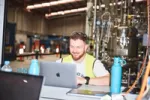
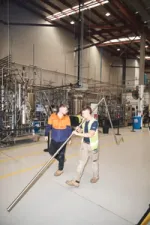
As factory objectives evolve, you’ll work with engineers, process developers, and operators to introduce new processes for new product lines and variants, and to adapt automation as quality and operational priorities change. You’ll regularly be on the factory floor commissioning equipment, troubleshooting hardware, and talking directly to the people who use what you build.
We’ve built the foundations of a factory automation system that already controls bioreactors, centrifuges, CIP stations, and media mixers. The straightforward automation work is mostly in place. What remains is the more interesting part: solving the messy, high-leverage problems that sit at the boundary of software, hardware, and process. This role is about closing the harder automation gaps, improving system robustness under real operating conditions, and building the next layer of automation needed to make the factory substantially more software-driven over the next 12–18 months. Success in this role means thinking at the factory level - designing, integrating, and refining how systems interact to enable seamless, autonomous factory operations.
As factory objectives evolve, you’ll work with engineers, process developers, and operators to introduce new processes for new product lines and variants, and to adapt automation as quality and operational priorities change. You’ll regularly be on the factory floor commissioning equipment, troubleshooting hardware, and talking directly to the people who use what you build.
Your Experience+
- Bachelor's degree in a relevant engineering discipline (Electrical, Systems, Mechatronics, Computer Science, etc) or equivalent professional experience.
- Experience designing, deploying, and supporting control or automation systems in real operating environments, including taking systems from concept through to production and ongoing operation.
- Foundational understanding of at least one modern programming language (e.g. Python, C++, Javascript/Typescript)
- Comfortable using modern software engineering tools, including AI-assisted development and debugging, to work effectively in unfamiliar codebases.
- Some experience integrating hardware with electrical systems. Specific protocol knowledge (Modbus, OPC-UA, MQTT, etc.) is a plus, but we care more about how quickly you learn new systems.
- Solid understanding of mechanical and electrical principles relevant to automated equipment
- You communicate proactively, bring solutions not just problems, and don't wait to be chased. You ship at the right level of maturity, stay solution-oriented when priorities shift, and protect your focus for the highest-impact work.
- Bachelor's degree in a relevant engineering discipline (Electrical, Systems, Mechatronics, Computer Science, etc) or equivalent professional experience.
- Experience designing, deploying, and supporting control or automation systems in real operating environments, including taking systems from concept through to production and ongoing operation.
- Foundational understanding of at least one modern programming language (e.g. Python, C++, Javascript/Typescript)
- Comfortable using modern software engineering tools, including AI-assisted development and debugging, to work effectively in unfamiliar codebases.
- Some experience integrating hardware with electrical systems. Specific protocol knowledge (Modbus, OPC-UA, MQTT, etc.) is a plus, but we care more about how quickly you learn new systems.
- Solid understanding of mechanical and electrical principles relevant to automated equipment
- You communicate proactively, bring solutions not just problems, and don't wait to be chased. You ship at the right level of maturity, stay solution-oriented when priorities shift, and protect your focus for the highest-impact work.
What you'll do+
- Keep automation running and make it better. Our automation is a work in progress - some parts are solid, others require improvement. You'll iterate alongside the engineers who built them: understanding the current state, improving what's fragile, and closing gaps. That means working with Claude to understand Python, looking at Grafana, tuning PIDs, setting up alerts, and training operators to respond to them.
- Increase the level of automation. This is the fun part. We're turning a factory that relies on operators running between equipment into one that largely runs itself. You'll work with operators and process teams to figure out which manual steps to tackle next, define the process changes needed to enable it, and deliver - sometimes by writing new control logic, sometimes by introducing new hardware, sometimes by proving out an approach you're not sure will work yet. You'll be given broad problems like "we need an automated system for [x] purification after centrifugation - figure out the approach, liaise with the process team, and make it happen."
- Integrate hardware and software. Procure and install IO components (sensors, valves, pumps, IO modules). Work with mechanical engineers to implement hardware and software changes that actually ladder up together. Debug and improve low-level communication interfaces (Modbus, OPC-UA, MQTT, IO-Link, EtherNet/IP).
- Collaborate with process teams. Work directly with upstream, downstream, and process development engineers to build automation for new processes and modify existing ones. You'll need to understand what they're trying to achieve, translate that into automation requirements, and negotiate scope and timing.
- Work closely with software engineers. You sit on a team with software engineers who build and maintain the platform with your help. You'll collaborate with them to improve it - contributing where you want to, and shaping the direction based on what you see on the floor. You'll also make DevOps and tooling improvements to make yourself and the rest of the team improvement powerhouses.
- Prioritise across competing demands. Multiple stakeholders - operators, process teams, production - will need different things from you at the same time. You'll need to manage that actively: understand what's highest-impact, communicate trade-offs, protect your focus, and keep people informed about what's coming and what's not.
Location & Work Style
- Factory-first: Hardware lives in Alexandria, so most days you’ll be on site - observing, testing, and talking with operators.
- High-trust flexibility: Need heads-down time at home or to shift hours? Use your judgment, coordinate with the team, and go for it.
- In-person culture: We default to face-to-face because fast iteration across software, hardware, and biology works best that way. Remote is the exception, not the norm. Most of our team members spend around 4 days per week on site.
- Keep automation running and make it better. Our automation is a work in progress - some parts are solid, others require improvement. You'll iterate alongside the engineers who built them: understanding the current state, improving what's fragile, and closing gaps. That means working with Claude to understand Python, looking at Grafana, tuning PIDs, setting up alerts, and training operators to respond to them.
- Increase the level of automation. This is the fun part. We're turning a factory that relies on operators running between equipment into one that largely runs itself. You'll work with operators and process teams to figure out which manual steps to tackle next, define the process changes needed to enable it, and deliver - sometimes by writing new control logic, sometimes by introducing new hardware, sometimes by proving out an approach you're not sure will work yet. You'll be given broad problems like "we need an automated system for [x] purification after centrifugation - figure out the approach, liaise with the process team, and make it happen."
- Integrate hardware and software. Procure and install IO components (sensors, valves, pumps, IO modules). Work with mechanical engineers to implement hardware and software changes that actually ladder up together. Debug and improve low-level communication interfaces (Modbus, OPC-UA, MQTT, IO-Link, EtherNet/IP).
- Collaborate with process teams. Work directly with upstream, downstream, and process development engineers to build automation for new processes and modify existing ones. You'll need to understand what they're trying to achieve, translate that into automation requirements, and negotiate scope and timing.
- Work closely with software engineers. You sit on a team with software engineers who build and maintain the platform with your help. You'll collaborate with them to improve it - contributing where you want to, and shaping the direction based on what you see on the floor. You'll also make DevOps and tooling improvements to make yourself and the rest of the team improvement powerhouses.
- Prioritise across competing demands. Multiple stakeholders - operators, process teams, production - will need different things from you at the same time. You'll need to manage that actively: understand what's highest-impact, communicate trade-offs, protect your focus, and keep people informed about what's coming and what's not.
Location & Work Style
- Factory-first: Hardware lives in Alexandria, so most days you’ll be on site - observing, testing, and talking with operators.
- High-trust flexibility: Need heads-down time at home or to shift hours? Use your judgment, coordinate with the team, and go for it.
- In-person culture: We default to face-to-face because fast iteration across software, hardware, and biology works best that way. Remote is the exception, not the norm. Most of our team members spend around 4 days per week on site.
Success is+
Within 3 months
- Get familiar with our in-house automation architecture (VPC) and deploy your first changes to production. We don't use standard PLCs, so whatever you know, there'll be new things to learn - you'll be taught by experienced engineers and learn by doing.
- Build working fluency with AI-assisted development. We're an AI-first team and we'll invest time getting you up to speed.
- Learn the broad strokes of cultured meat bioprocessing — how the factory works, core unit operations, utilities, and the key control loops.
- Build relationships with process and operations teams. You'll inevitably be asked to fix small things — that's how trust starts.
- Debug production issues and respond to technology failures with support from other engineers.
Within 6 months
- Own a meaningful automation project or a series of high-leverage improvements to existing systems - e.g. taking a unit operation to full automation, removing the manual steps between two unit ops, or hardening edge-case handling across a system.
- Be comfortable using AI to write code, deploying across multiple machines, and increasingly self-sufficient in debugging issues independently.
- Have independently procured and installed hardware (sensors, valves, IO modules) for at least one project - from spec'ing components through to commissioning.
- Leave behind automation that operators can actually run and troubleshoot without calling you back. That means good alerts, clear documentation, and operators trained to respond.
- Become a trusted resource on cross-functional projects, helping the team prioritise based on automation impact and investment.
- Start informing the team roadmap: suggesting improvements, helping with estimates and planning.
Within 12 months
- Manage multiple projects simultaneously, own key systems, and be looked to as an automation expert for large parts of the factory.
- Have delivered automation for at least one new or substantially modified process, working end-to-end with process development teams
- Have meaningful input into architectural decisions - refactors, new systems, hardware and software choices.
- Connect automation priorities to business outcomes: COGS reduction, throughput, efficiency. Not just executing well, but choosing the right work.
- Planning and commissioning new systems as business need arises
Within 3 months
- Get familiar with our in-house automation architecture (VPC) and deploy your first changes to production. We don't use standard PLCs, so whatever you know, there'll be new things to learn - you'll be taught by experienced engineers and learn by doing.
- Build working fluency with AI-assisted development. We're an AI-first team and we'll invest time getting you up to speed.
- Learn the broad strokes of cultured meat bioprocessing — how the factory works, core unit operations, utilities, and the key control loops.
- Build relationships with process and operations teams. You'll inevitably be asked to fix small things — that's how trust starts.
- Debug production issues and respond to technology failures with support from other engineers.
Within 6 months
- Own a meaningful automation project or a series of high-leverage improvements to existing systems - e.g. taking a unit operation to full automation, removing the manual steps between two unit ops, or hardening edge-case handling across a system.
- Be comfortable using AI to write code, deploying across multiple machines, and increasingly self-sufficient in debugging issues independently.
- Have independently procured and installed hardware (sensors, valves, IO modules) for at least one project - from spec'ing components through to commissioning.
- Leave behind automation that operators can actually run and troubleshoot without calling you back. That means good alerts, clear documentation, and operators trained to respond.
- Become a trusted resource on cross-functional projects, helping the team prioritise based on automation impact and investment.
- Start informing the team roadmap: suggesting improvements, helping with estimates and planning.
Within 12 months
- Manage multiple projects simultaneously, own key systems, and be looked to as an automation expert for large parts of the factory.
- Have delivered automation for at least one new or substantially modified process, working end-to-end with process development teams
- Have meaningful input into architectural decisions - refactors, new systems, hardware and software choices.
- Connect automation priorities to business outcomes: COGS reduction, throughput, efficiency. Not just executing well, but choosing the right work.
- Planning and commissioning new systems as business need arises

A diverse, mission-led, dream team of Vowzers
Our mission is to feed billions, which means making food products for everyone. To do this we need a team that’s representative of the people we serve. We celebrate multiple approaches and points of view and have built a culture to match. Be yourself and come as you are.
Our mission is to feed billions, which means making food products for everyone. To do this we need a team that’s representative of the people we serve. We celebrate multiple approaches and points of view and have built a culture to match. Be yourself and come as you are.
Learn from the best
Our team includes some of the world’s top scientists, innovators, operators, and creatives with decades of industry experience. Despite our experiences, we all strive to build, break, learn, and repeat. We see the impossible as temporary and strive to learn and support our company and fellow Vowzers' growth as much as possible.
Our team includes some of the world’s top scientists, innovators, operators, and creatives with decades of industry experience. Despite our experiences, we all strive to build, break, learn, and repeat. We see the impossible as temporary and strive to learn and support our company and fellow Vowzers' growth as much as possible.
Cutting-edge technology
We’re bringing together innovations in science, engineering, and food, to create the world’s most unique culinary experiences. All without compromising on ethics or our planet. Since our inception in 2019, we have held the title of being the first startup to cultivate meat from the cells of an undomesticated animal. We're wild because we can be.
We’re bringing together innovations in science, engineering, and food, to create the world’s most unique culinary experiences. All without compromising on ethics or our planet. Since our inception in 2019, we have held the title of being the first startup to cultivate meat from the cells of an undomesticated animal. We're wild because we can be.
Backed by the best
We can make a real impact thanks to our investors Blackbird Ventures, Square Peg Capital, Grok Ventures, Tenacious Ventures, P7 Ventures, Toyota Ventures and PeakBridge VC.
We can make a real impact thanks to our investors Blackbird Ventures, Square Peg Capital, Grok Ventures, Tenacious Ventures, P7 Ventures, Toyota Ventures and PeakBridge VC.
Perks &
Perks
Perks &
Perks
Everyone is an owner
In addition to competitive base salaries, each and every ‘Vowzer’ owns equity in the company so we can all benefit from our hard work and future success.
In addition to competitive base salaries, each and every ‘Vowzer’ owns equity in the company so we can all benefit from our hard work and future success.

Generous paid parental leave
For those who choose to start a family, we offer 8 weeks of paid caregiver leave and an additional 8 weeks paid leave for the birth giver.
For those who choose to start a family, we offer 8 weeks of paid caregiver leave and an additional 8 weeks paid leave for the birth giver.

Generous relocation budget & support
We offer support for interstate or overseas team members, their families and, of course, their pets.
We offer support for interstate or overseas team members, their families and, of course, their pets.
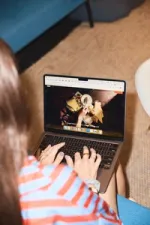
Flexible working hours and location
We value work-life balance and we recognise that everyone works differently. We want you to do your best work, so you can choose how and where you do it.
We value work-life balance and we recognise that everyone works differently. We want you to do your best work, so you can choose how and where you do it.
Unlimited personal leave
Sometimes you need time off to recuperate, look after your mental health, or simply deal with an emergency. We put unlimited personal leave in place to empower you to bring your best self to work every day.
Sometimes you need time off to recuperate, look after your mental health, or simply deal with an emergency. We put unlimited personal leave in place to empower you to bring your best self to work every day.
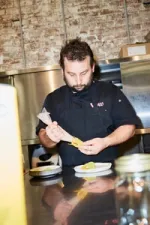
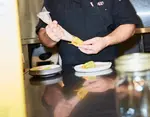
Heaps of tasty samples from our culinary centre
Our fantastic "food inventors" on the Vow team are always cooking up new product prototypes, and all Vowzers are given the opportunity to taste, give feedback, and learn from their culinary prowess.
Our fantastic "food inventors" on the Vow team are always cooking up new product prototypes, and all Vowzers are given the opportunity to taste, give feedback, and learn from their culinary prowess.
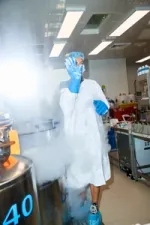
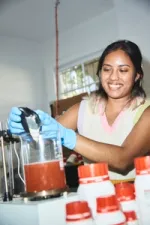
Converted warehouse 'campus'
Complete with a glass-walled lab, manufacturing lines, snacks, a culinary centre and professional-grade coffee machine.
Complete with a glass-walled lab, manufacturing lines, snacks, a culinary centre and professional-grade coffee machine.

A variety of social clubs
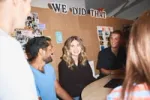
It's Vowzers who make our culture. From book clubs to hiking groups, we’re always looking for ways to learn and engage with each other.
It's Vowzers who make our culture. From book clubs to hiking groups, we’re always looking for ways to learn and engage with each other.

Human and dog friendly office
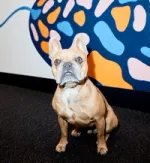
An inclusive community and culture, in a welcoming office, we encourage you to bring your true self…and your dogs.
An inclusive community and culture, in a welcoming office, we encourage you to bring your true self…and your dogs.